
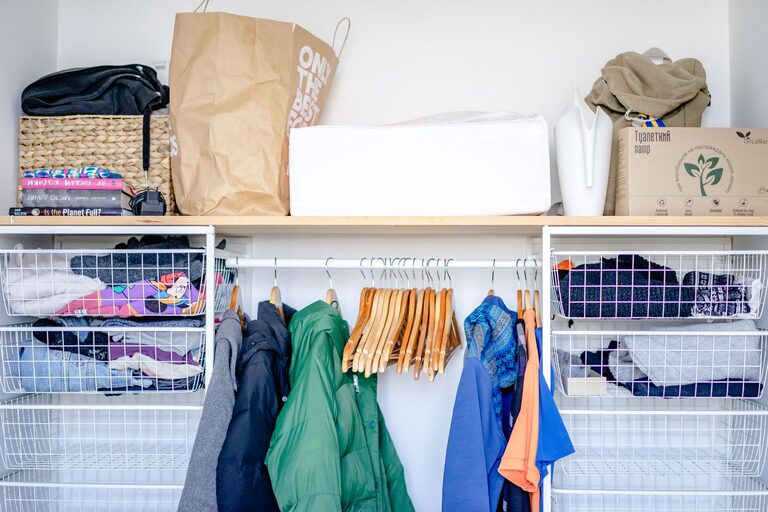
Storing seasonal clothes efficiently is essential to keep your wardrobe organized and your favorite outfits in good condition year-round. Whether you’re packing away winter sweaters or summer dresses, proper storage can save you time, space, and frustration when the seasons change. This guide will walk you through practical steps and tips to help you store your seasonal clothing efficiently and protect your garments until you need them again.
Why Efficient Seasonal Storage Matters
Seasonal clothes often take up a lot of space, and if not stored properly, they can get damaged, wrinkle, or even attract pests. Efficient storage helps:
– Maximize your closet or storage space
– Keep clothes clean and fresh
– Protect fabrics from damage
– Make it easier to find and access your items next season
How to Prepare Clothes for Storage
Before packing away your seasonal clothes, it’s important to start with clean, dry garments. This prevents stains from setting and avoids mold or mildew growth.
1. Clean Everything Thoroughly
– Wash or dry clean clothes according to the care label.
– Make sure all items are completely dry to prevent mold.
– Spot clean any stains you find.
2. Repair and Mend
– Check for loose buttons, broken zippers, or small holes.
– Fix these issues before storing to avoid further damage.
3. Sort and Declutter
– Evaluate what you really want to keep.
– Donate or recycle clothes you no longer wear.
– This helps reduce the volume of stored items and keeps your wardrobe manageable.
Choosing the Right Storage Containers
The containers you use can make a big difference in how well your clothes stay preserved.
1. Clear Plastic Bins with Seals
– Offer good protection from moisture and pests.
– Transparency makes it easier to identify contents.
– Use bins with airtight lids for best results.
2. Fabric Storage Bags or Vacuum Bags
– Fabric bags allow clothes to breathe but don’t protect as well against moisture.
– Vacuum bags save space by compressing clothes but may crush delicate fabrics.
– Use vacuum bags cautiously; avoid long-term storage of delicate items this way.
3. Cardboard Boxes
– Affordable and lightweight.
– Not ideal for long-term storage or in damp areas, as they can attract pests and moisture.
4. Hanging Garment Bags
– Perfect for suits, dresses, and coats that should not be folded.
– Keep clothes dust-free while still hanging in a closet.
Organizing Your Storage Space
Efficiently arranging your storage area helps you find and access clothes quickly.
1. Label Everything
– Use clear, easy-to-read labels on bins or bags.
– Include details such as type of clothing, size, or season.
2. Group Similar Items Together
– Store all winter sweaters in one bin and summer shorts in another.
– Grouping makes unpacking and repacking easier.
3. Use Vertical Space
– Stack bins carefully.
– Consider shelving units or storage cubes to use all available vertical space without clutter.
4. Store in Cool, Dry Places
– Avoid attics or basements prone to extreme temperatures or moisture.
– A closet or under-bed storage often works best.
Protecting Your Clothes While in Storage
Even when stored properly, clothes can be vulnerable to damage.
1. Use Cedar Blocks or Lavender Sachets
– Natural repellents help keep moths and insects away.
– Avoid direct contact with clothes to prevent staining.
2. Avoid Plastic Bags for Long-Term Storage
– Plastic bags can trap moisture and cause mildew.
– Use breathable materials or airtight containers.
3. Maintain Air Circulation
– For fabric bags or bins, allow occasional airing out.
– Open storage containers periodically to prevent mustiness.
Tips for Seasonal Clothing Maintenance
When it’s time to swap your wardrobe, follow these habits to keep things running smoothly.
1. Rotate Your Clothes
– Try to use items from storage within a reasonable timeframe.
– Rotate pieces to avoid long-term neglect.
2. Inspect Clothes Before Wearing
– Check for any damage or pest issues before bringing clothes back into your closet.
3. Clean Clothes Before Re-Storing
– Always clean clothes after wearing before repacking for the next season.
Bonus: Space-Saving Hacks
If storage space is limited, try these additional ideas:
– Roll clothes instead of folding to save space and reduce wrinkles.
– Use under-bed storage bins for less accessible items.
– Hang lightweight items on slim, non-slip hangers to maximize closet space.
– Store shoes in clear boxes or shoe organizers to keep your footwear tidy.
—
Efficient storage of seasonal clothes involves preparation, choosing the right containers, organizing effectively, and protecting your garments. With these tips, you can preserve your clothing quality, save space in your home, and enjoy a smoothly functioning wardrobe all year long. Give your seasonal clothes the care they deserve, and make changing seasons easier and more enjoyable!